

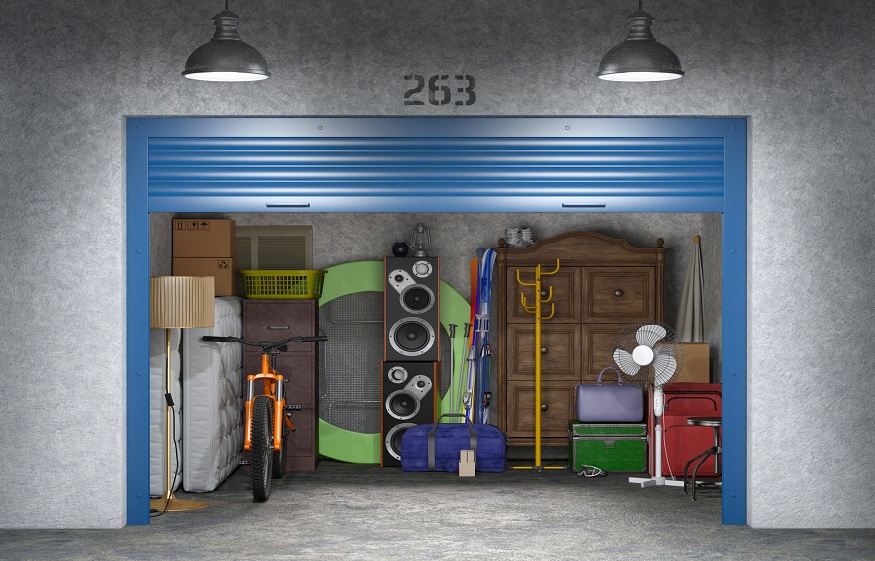
Entrepreneurs are always hunting for cheap inventory to flip for profit. Some hit garage sales. Others browse thrift stores. But the smart ones? They’re buying up abandoned storage units and turning forgotten junk into cold, hard cash. This business model has exploded in recent years, and people are making serious money from stuff that others left behind.
The Business Model That Works
When renters stop paying for storage units, facilities need to get rid of the contents somehow. They can’t just hold on to stuff forever. After following legal procedures, they auction off the entire unit’s contents to recover lost rent. Entrepreneurs buy these units sight unseen or with just a quick peek inside.
The math is simple. Buy a unit for three hundred bucks. Find two thousand dollars’ worth of sellable items inside. Even after fees, gas, and time spent sorting through everything, the profit margins can be huge. Some entrepreneurs make this their full-time job, buying multiple units every week and reselling the contents through various channels.
Finding Units to Buy
The old way meant showing up at storage facilities for live auctions. Buyers attended Saturday auctions, bid live, and collected purchases the same day. This restricted access to reachable facilities. Everything changed when auctions moved online. Now entrepreneurs search “storage auctions near me” and find dozens of opportunities through platforms like Lockerfox, which connects buyers with facilities across entire regions. Instead of driving to one auction and competing against five people, buyers can bid on twenty units from their laptop and compete in a larger marketplace that often yields better deals.
Read More: Managing Freelance or Side Hustle Earnings via a
Sorting and Selling Strategy
Buying the unit is just step one. The actual work starts when you crack open that roll-up door and see what you’ve got. Smart entrepreneurs have systems for processing units quickly and efficiently. First comes the sort. Trash goes in one pile. Donation items in another. Everything else gets evaluated for resale value. Experienced buyers can scan a unit and estimate values in minutes. They know which brands sell, what collectors want, and how much things cost to ship.
Different items go to different markets. Furniture might sell on local marketplace apps. Collectibles go to specialty online platforms. Jewelry and electronics are sold to specific dealers. Some entrepreneurs run their own thrift stores or flea market booths to move volume items. Others focus on high-value pieces they can flip online for maximum profit.
The Hidden Profit Centers
The obvious money comes from valuable items anyone would recognize. But seasoned storage unit buyers know about the hidden profit centers that beginners miss completely. Documents can be gold. Old stock certificates, bonds, and collectible paper money hide in boxes of “worthless” papers. The scrap metal from old appliances and furniture frames piles up quickly. Older electronics can still be valuable for those who salvage parts or metals.
Read More: Small Business Success: The Benefits of Joining a
Some buyers specialize in specific niches. They might only want units with tools, knowing exactly what each brand and model sells for. Others focus on household goods they can bundle and sell to landlords furnishing rental properties. The specialists often outbid generalists because they know exactly what their market will pay.
Conclusion
Sourcing inventory from unclaimed storage units has become a legitimate business model for thousands of entrepreneurs. Those who are ready to work can find opportunities thanks to inexpensive goods, a wide selection, and various ways to resell them. Even though some units don’t yield rewards, the successful ones compensate for the unsuccessful ones. As online auctions become more common and bidding platforms simplify the process, this unique inventory source will continue to draw entrepreneurs seeking lucrative opportunities.